← Blog · July 1, 2026
Top Outreach Sequence Examples to Boost Your Engagement Strategy
Most sales teams know they need to follow up. Very few actually know how to build those follow-ups into a repeatable, high-yielding system that consistently books meetings.
This guide gives you practical, battle-tested outreach sequences across cold email, LinkedIn, SaaS trial conversions, and event follow-ups. Copy them, tweak them to fit your market, and start filling your pipeline.
Key Takeaways
Modern outreach requires 6 to 10 touches across 14 to 21 days. If you are relying on cold email alone, expect to send 5 to 7 emails before getting a meaningful reply.
Multi-channel beats single-channel every time. Layering emails with LinkedIn touches and phone calls drastically outperforms email-only campaigns.
Build your sequences around specific customer pain points, not your product features. Use real conversion data and reply rates to continuously tweak your messaging.
NexusCold helps sales teams scale cold email sequences while protecting sender reputation through automated inbox rotation, warmup, and bounce management.
Below, you will find ready-to-use playbooks for B2B cold outreach, LinkedIn-led plays, SaaS trial conversion, event follow-ups, and long-term nurturing.
What Are Outreach Sequences (and Why They Matter in 2026)?
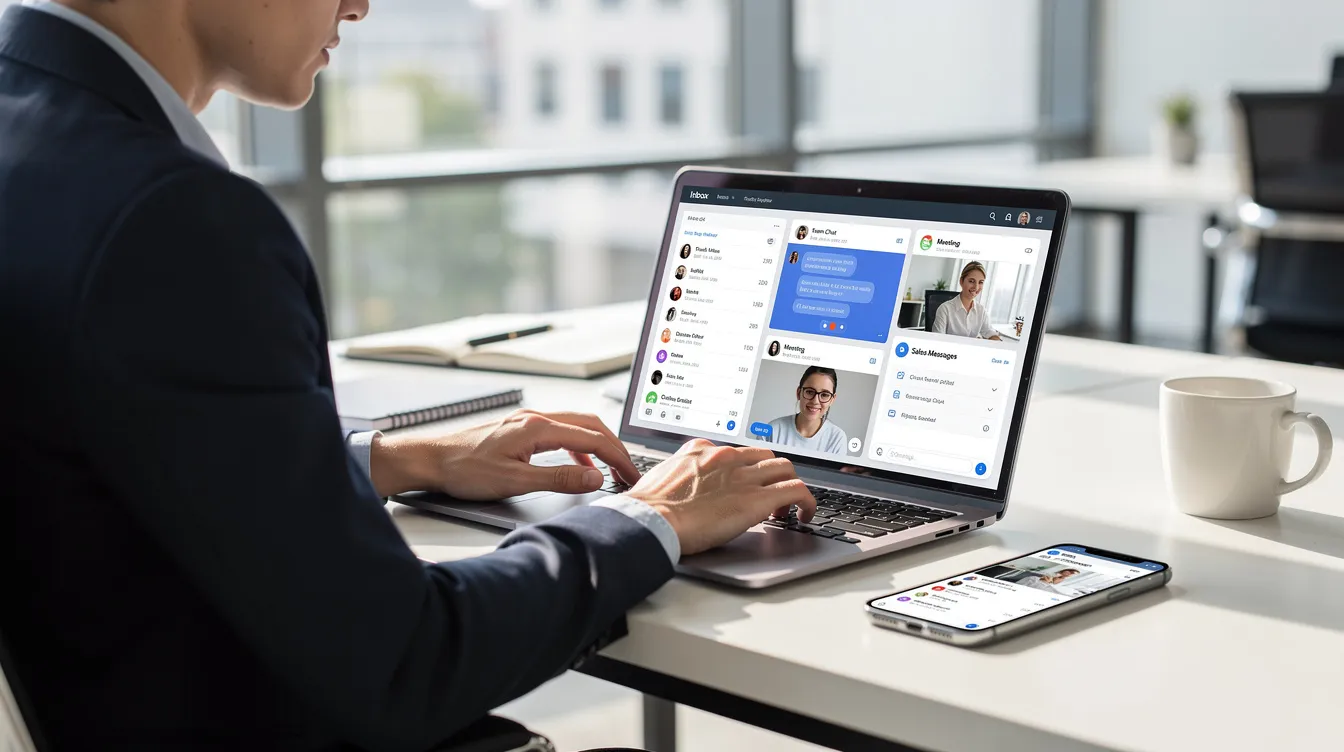
An outreach sequence is a planned, multi-step communication flow. You use cold emails, LinkedIn messages, phone calls, and targeted follow-ups to drive a specific action—usually a booked meeting, a demo, or a trial conversion.
This is not a generic email blast. Sequences are triggered individually for each prospect, which keeps the communication highly personal.
Modern sales platforms automate the timing, track your conversion metrics, and automatically stop the sequence the moment a prospect replies or books a spot on your calendar. Timing is everything here. Since 58% of professionals check their email first thing in the morning, hitting their inbox at the right time gets you noticed. The goal is to start a conversation, not to force an immediate sale.
Generally, sales teams deploy sequences to hit three major milestones:
Booking meetings with cold prospects.
Resuscitating deals that went cold after an initial discovery call.
Guiding free trial users toward a paid subscription.
Let’s look at how to structure these sequences for different scenarios.
Core Principles Before You Build Sequences
Before writing a single line of copy, you need to establish a strong structural foundation. Every high-converting sequence relies on a few non-negotiable rules.
One goal per sequence. Do not ask a prospect to read a blog post, watch a demo, and book a call in the same email. Pick one outcome—like booking a brief call within 21 days—and design every step to point toward it. Mixed signals destroy conversion rates.
Commit to multi-channel. Email is your foundation, but adding a LinkedIn connection request, a quick direct message, and a couple of phone calls for high-value targets will dramatically lift your reply rates.
Smart spacing. Do not crowd your prospect's inbox. Space your first few touches 2 to 3 business days apart. As the sequence progresses, stretch that gap to 5 or 7 days. A typical cold sequence should run 10 to 18 days; a nurture sequence can stretch up to 30.
Protect your deliverability. None of this matters if your emails land in the spam folder. Use warmed domains, rotate your sending inboxes, and keep your bounce rate strictly under 3%. Platforms like NexusCold make this easy by automating inbox warmup, rotation, and reply detection.
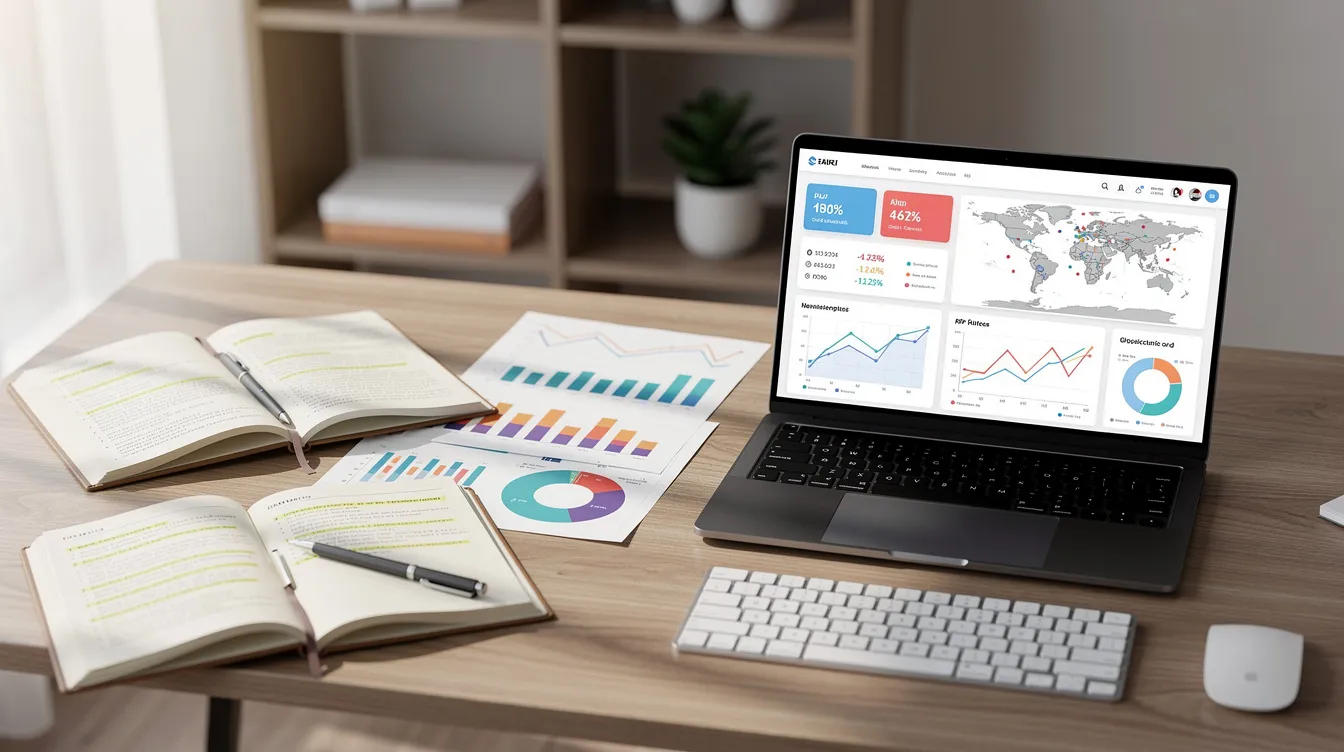
Focus on reply quality. Open rates are a vanity metric. Pay attention to your reply rates, positive reply rates, and meetings booked per 100 contacts. Use this data to cut underperforming steps.
Provide value on every touch. "Just checking in" or "bumping this to the top of your inbox" is lazy. It tells the prospect you have nothing new to offer. Every follow-up must introduce a fresh angle, a helpful resource, or a new piece of social proof.
Personalize with intent. Personalization can boost response rates by up to 63%, but only if it is meaningful. Skip the generic compliments about their college or their company's stock price. Instead, reference actual business triggers: hiring patterns, specific job titles, recent structural changes, or their current technology stack.
Keep it incredibly brief. Busy decision-makers do not read essays. Keep your emails between 100 and 150 words. Use a single, low-friction call to action (CTA) rather than multiple requests.
B2B Cold Email Sequence Example (8-Touch, 14-Day Flow)
This sequence targets mid-market sales leaders (like a VP of Sales at a 50-to-500-employee company) with the goal of booking a 20-minute discovery call. It mixes five emails with LinkedIn touches and phone calls to maximize your chances of getting a response.
Day 1: Email #1 – The Problem-First Opener. Start with a highly personalized first line tied to a trigger, like a recent executive hire or company expansion. State a specific pain point in a sentence or two, explain how you solve it, and close with a soft CTA. Keep it under 120 words. A highly personalized first line can increase open rates by 320%.
Day 2: LinkedIn Profile View + Connection Request. Visit their profile to trigger a notification, then send a clean connection request mentioning the trigger from Day 1. Do not pitch here. You are just putting a face to the name.
Day 4: Email #2 – The Social Proof Angle. Focus on a core pain point and share a specific, quantified customer win (e.g., "how we helped a competitor cut reply times by 37% in Q1 2026"). For details on how to structure this, check out this cold email format best practices guide to optimize your subject lines and body copy.
Day 6: LinkedIn Message. If they accepted your request, send a short, conversational message. Ask a quick question about their current process without pitching your product.
Day 8: Email #3 – Objection Handling. Address the typical reasons people say no: "we don't have budget," "our hands are full," or "we already use a competitor." Offer a simple, 3-bullet comparison showing how you handle their exact workflow differently.
Day 10: Phone Call Attempt #1. Essential for high-value accounts. Reference your previous emails, ask one quick qualifying question, and leave a brief, professional voicemail if they do not pick up.
Day 12: Email #4 – Pure Value. Give them something useful for free—a checklist, a quick video analysis, or some relevant industry benchmark data. Use a soft CTA: "Let me know if you want the full breakdown."
Day 14: Email #5 – The Breakup. Politely let them know you are closing their file. Ask if the timing is simply off, or if there is a better person on their team to speak with. Breakup emails often get surprisingly high response rates because they remove the sales pressure.

LinkedIn-Led Outreach Sequence Example (6 Touches Over 12 Days)
This playbook works best for prospects who are highly active on LinkedIn—commenting on industry news, posting updates, or engaging with competitor pages. It is perfect for tight, high-value niches where you cannot afford to burn through contacts.
Day 1: Profile View + Follow + Engagement. Find a recent post they wrote or shared and leave a thoughtful, genuine comment. Do not pitch. This is about building familiarity first.
Day 3: Personalized Connection Request. Send a short note (under 200 characters) referencing their post or a shared group. Keep it completely casual and sales-free.
Day 5: LinkedIn Message #1 (Post-Acceptance). Send a brief message asking how they are handling a specific industry challenge. Offer a quick, helpful insight instead of asking for a meeting right away.
Day 7: LinkedIn Message #2 – The Micro-Case Study. Send a 2-sentence story about how a peer in their industry solved the problem you discussed on Day 5. Ask if that challenge is currently on their radar.
Day 9: First Cold Email. Now that you have built some rapport on LinkedIn, move to their inbox. Reference your social chat and offer a highly specific, low-commitment asset, like a 5-minute custom audit of their current setup.
Day 12: Follow-up Email or LinkedIn Nudge. Choose the platform where they showed the most life. Send a quick reminder tied to a timely event, like quarter-end pressures or a new industry benchmark.
SaaS Free Trial Email Sequence Example (10-Day Conversion Flow)
This automated sequence is designed to guide free trial signups toward a paid subscription by Day 10. While automated, the emails should read like they were sent directly from an account manager's personal inbox. Properly personalized transactional outreach can boost response rates by 250%.
Day 0: Welcome Email (Sent Immediately). Say thanks, share a 2-minute setup video, and give them one clear task to complete to get started. Keep it action-oriented and clear.
Day 1: The Product Tour. Highlight three core features that solve immediate pain points (e.g., domain reputation protection, multi-inbox setup, or reply tracking). Direct them to their dashboard to try it out.
Day 3: The Use-Case Segment. Tailor this based on their role. If they are a sales leader, show them how to accelerate their outbound pipeline. If they are in marketing ops, focus on analytics and deliverability.
Day 5: Social Proof & Metrics. Share a quick snapshot of a customer who achieved clear results (e.g., "how this team brought their bounce rate down from 8.4% to 1.2%"). Offer a quick optimization call to help them set up a similar workflow.
Day 7: The "Stuck?" Check-in. If their account activity is low, send a personal note: "Need help getting your first campaign live? Reply to this email with your current copy and we’ll review it for you."
Day 9–10: The Upgrade Nudge. Frame the transition to a paid plan around risk reduction and scale. Offer a clear incentive, like a price lock or bonus credits, if they upgrade before their trial expires.
Webinar and Event Outreach Sequences (Pre- and Post-Event Examples)
Events and webinars are goldmines for pipeline, but only if you follow up quickly while the context is fresh.
Pre-Webinar Sequence (3–4 Emails): Send a registration confirmation, a value-focused preview of the agenda, and a direct join link on the day of the event. Keep these transactional and easy to read.
Post-Webinar Sequence (5 Touches):
- Day 1: Send the recording and slide deck.
- Day 3: Share a closely related case study.
- Day 6: Offer a custom workshop or assessment based on the webinar topic.
- Day 8: Connect on LinkedIn.
- Day 10: Send a final, polite check-in to close the loop.
In-Person Event Sequence (7–10 Day Window): Start with an email on the same or next day referencing your specific conversation at the booth or session. "We talked about your outbound team of 6 SDRs" will always outperform a generic "Thanks for stopping by" template. Follow up with a LinkedIn request, a relevant resource, and a phone call.
Behavior-Based Branching: If a prospect books a meeting or clicks a key link, pull them out of the automated sequence immediately. Move them to a manual, high-touch sales track.

Lead Nurture and Re-Engagement Outreach Sequence Examples
These sequences are for prospects who showed interest but weren’t ready to buy, or cold leads who didn't reply to your initial outreach. The pace slows down here to 1 or 2 touches a week over a month or two.
6-Step Nurture Cadence: Rotate through different types of helpful content. Send an industry trends report, a practical how-to guide, an honest comparison sheet, a customer success story, an interactive ROI calculator, and an invite to an upcoming live session.
Tone and Spacing: Keep the copy entirely pressure-free. Use soft CTAs like, "Let me know if you want the template we used to build this." Space these emails 5 to 10 days apart to avoid inbox fatigue.
90-Day Re-Engagement Sequence: Use 3 emails over 10 days to check back in with old leads. Reference your past conversation, highlight a major new product update or a fresh 2026 industry benchmark, and ask if the problem they were trying to solve is still on their plate.
Segment by Industry: A healthcare buyer does not care about SaaS metrics. Clone your master sequence and swap out the case studies, vocabulary, and pain points to match the specific vertical you are targeting.
Clean Your Lists: If a prospect hasn’t opened or clicked an email after a full nurture cycle, remove them. Keeping unengaged contacts on your list hurts your domain reputation and drives down deliverability for everyone else.
How to Build Sequences That Actually Convert (Step-by-Step)
Here is a practical checklist to help you build and launch your own outreach campaigns.
Step 1: Define your target. Clarify the job title, company size, and tools your prospect uses. Look for triggers like a new VP hiring push, fresh funding, or an outbound performance dip.
Step 2: Choose your channels. If you are selling to a broad B2B market, lead with email. If you are selling to a highly specialized niche, lead with LinkedIn. Add phone calls for high-value accounts.
Step 3: Map your touchpoints. Aim for 6 to 10 touches over 10 to 21 days. Inbound leads need a shorter, faster sequence; cold outbound requires a longer, diversified mix.
Step 4: Write conversational copy. Use short subject lines, write a personalized first line, state a clear business problem, offer a quick solution, and close with a single, low-friction question.
Step 5: Set up secure infrastructure. Set up secondary sending domains, set daily sending limits, and monitor your bounce rates closely.
Step 6: Track the right metrics. Monitor positive reply rates and meetings booked per 100 contacts. Review these numbers every week to spot where prospects are dropping off.
Step 7: Run continuous A/B tests. Test one element at a time—like your subject line or your call to action. Run tests for 2 to 4 weeks with at least 200 to 300 contacts per variant before making changes.
FAQ: Outreach Sequences, Cold Emails, and LinkedIn
How many emails should be in a cold email sequence?
For cold outreach, 4 to 6 emails over 10 to 18 days is the sweet spot. You will get most of your replies in the first 3 or 4 touches, but a well-crafted follow-up later in the sequence can still capture buyers who were simply busy. Sending more than 7 or 8 emails without a reply usually leads to spam complaints.
What is the ideal delay between touches in an outreach sequence?
A gap of 2 to 3 business days between your first few cold emails is standard. You can perform light LinkedIn actions (like profile views) in between. For time-sensitive follow-ups like events, you can compress the delay to 1 or 2 days. For long-term nurturing, stretch it to 7 to 10 days.
How do I tailor outreach sequences by industry or persona?
Keep the overall sequence structure and timing the same, but rewrite the copy to speak their language. For tech companies, talk about speed, scale, and pipeline. For finance or healthcare, focus on compliance, security, and risk reduction. Build one solid sequence structure, clone it, and customize the examples for each industry.
How do I keep my outreach sequences from looking spammy?
Keep your emails short, use clear personalization based on real triggers, and always offer a clean, easy way to opt out. Avoid hype, fake urgency, and aggressive daily follow-ups. Use dedicated outbound domains and keep your overall sending volume controlled.
Should I use the same outreach sequence for email and LinkedIn?
No. You should keep your core message and value proposition consistent, but you must adapt the format for each platform. LinkedIn messages should feel like real-time chat—short, casual, and conversational. Emails can carry a bit more context, data, and structure. Use the two channels together to tell a cohesive story.