← Blog · August 18, 2026
Where Spam Comes From: Root Sources Explained
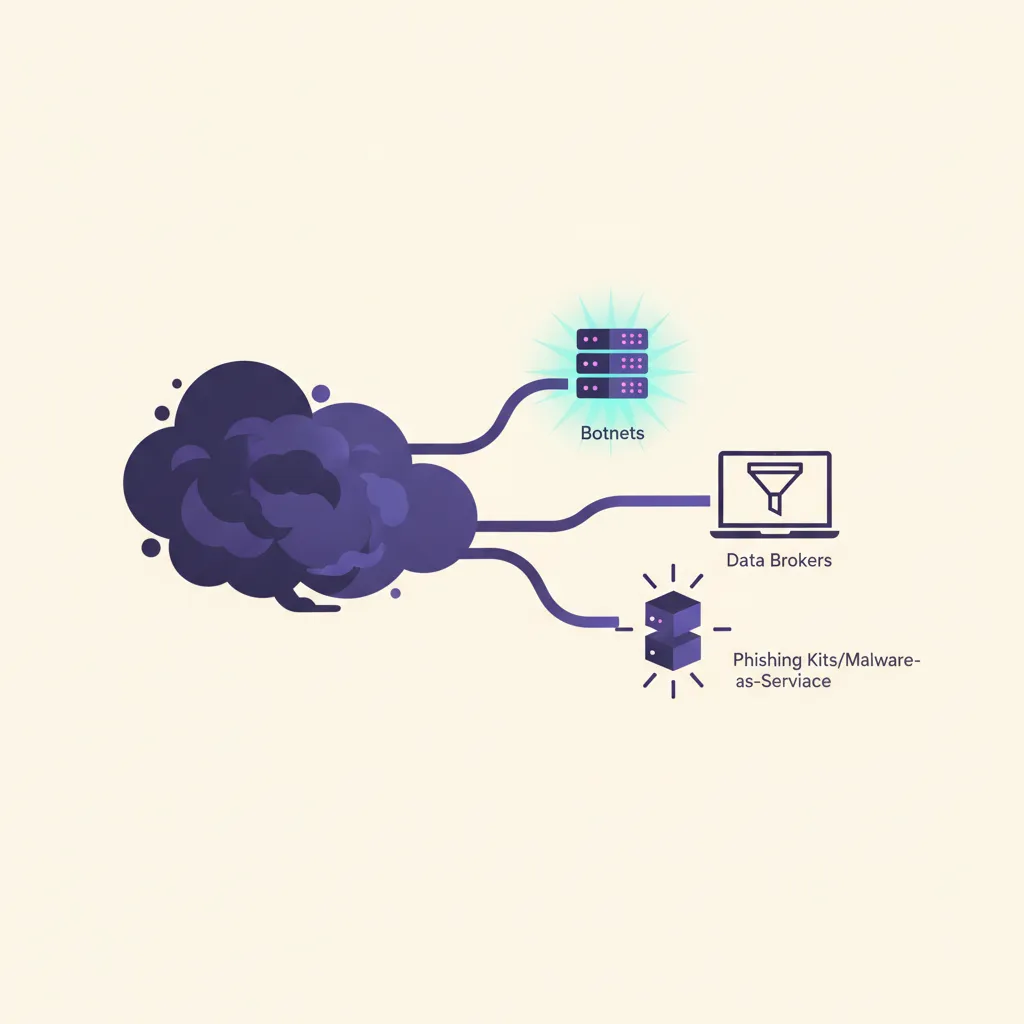
Roughly half of all emails sent globally every day are junk. But if you're picturing Nigerian princes or sketchy online pharmacies, your mental model is twenty years out of date. Modern spam is an unholy blend of massive criminal botnets, unchecked web scrapers, and sloppy B2B sales teams blasting broken cold outreach.
If you manage growth or run outbound pipelines, ignoring the mechanics of how spam is identified will torch your domain reputation, drop your emails into the junk folder, and kill your response rates. Here is where spam actually comes from—and how mailbox providers shoot it down.
1. Scraping Tools and Purchased Email Databases
Most commercial spam starts with filthy data. Bots crawl public forums, scrapers strip LinkedIn profiles, and automated scripts parse corporate site footers looking for anything with an @ sign.
Brokers bundle those raw scrapes into cheap lists and sell them to thousands of buyers. But recipient annoyance is only half the problem—the real danger is the mathematical certainty of list decay:
- Spam Traps: Security groups take abandoned, dead mailboxes and turn them into silent tripwires. Send an email to one of these honeypots, and your sending IP goes straight onto blocklists.
- Invalid Mailboxes: Freshly scraped lists routinely trigger 20% to 40% hard bounces. When you bounce that hard, receiving mail servers know immediately that you're spraying into the dark.
- Aggressive Spam Complaints: Unsolicited bulk email invites spam reports. And as the Spamhaus definition of spam makes clear, sending unsolicited bulk mail makes you a spammer in the eyes of filter algorithms—no matter how polite or relevant you think your copy is.
If you aren't verifying and scrubbing your lists before firing off a campaign, you're driving your domain directly off a cliff.
2. Compromised Infrastructure and Botnets
A huge slice of global spam volume never touches a sales rep's CRM. It runs through botnets—sprawling networks of infected IoT devices, hijacked servers, and compromised personal computers pumping out billions of unauthorized messages daily.
Attackers lean on a few classic vulnerabilities:
- Open Relays: Poorly configured SMTP servers that blindly route traffic for anyone without requiring authentication.
- Compromised Credentials: Stolen mailbox logins harvested from credential-stuffing attacks and data breaches.
- Backdoored CMS Platforms: Vulnerable WordPress or Drupal installations infected with stealthy PHP mailer scripts.
Because this traffic fires from thousands of residential IP addresses simultaneously, providers use deep heuristic content scanning and real-time IP reputation tracking to drop the hammer on these messages before users ever see them.
3. Missing or Misconfigured Authentication Protocols
When email protocols were drafted in the 1980s, trust was assumed. Anyone could boot up a server and claim to send an email from ceo@yourcompany.com. Because identity wasn't baked into the underlying technology, mailbox providers now demand cryptographic proof before letting your mail near the inbox.
You need three fundamental DNS records nailed down:
- SPF (Sender Policy Framework): A public list of specific IP addresses and servers permitted to send mail from your domain.
- DKIM (DomainKeys Identified Mail): A digital signature stamped onto your email headers that proves the message wasn't intercepted or modified mid-transit.
- DMARC (Domain-based Message Authentication, Reporting, and Conformance): The policy instruction telling receiving servers what to do if SPF or DKIM fail (e.g., let it slide, quarantine it, or reject it outright).
Major providers don't treat this as optional anymore. Under Google’s Sender Guidelines, authenticated SPF and DKIM setup is mandatory, alongside a hard rule to keep spam complaint rates under 0.10%. Skip the setup, and even legitimate, highly personalized emails will land in spam.
4. Volume Spikes and Unwarmed Mailboxes
You don't need malicious intent to get flagged; bad pacing will do it just as fast. A classic mistake in outbound sales is buying a fresh domain on Monday and blasting 2,000 cold emails by Wednesday.
Mailbox algorithms track sending velocity. Real humans write slowly, take breaks, and trade replies. Spammers spin up disposable domains and blast thousands of identical messages instantly.
When a domain with zero reputation history suddenly spikes in volume, algorithms flag it as a burned burn-and-churn asset. Protecting your sender reputation requires a measured, automated warmup strategy:
- Gradually ramp up sending volume over weeks, not days.
- Build consistent positive engagement signals (inbox placements, opened threads, marked-as-important).
- Distribute your volume across multiple sending accounts instead of burning out a single primary address.
Managing this by hand across dozens of inboxes is impossible at scale. Platforms like NexusCold build deliverability safeguards straight into the architecture—handling gradual warmups and distributing volume across multi-inbox setups so your domains stay healthy without manual babysitting.
5. Deceptive Framing and Regulatory Non-Compliance
Sometimes deliverability fails purely because of shady copywriting and careless compliance. Frameworks like CAN-SPAM in the US, GDPR in Europe, and CASL in Canada establish strict legal boundaries for cold outreach.
As outlined in the FTC CAN-SPAM Act Compliance Guide, senders trigger major legal and algorithmic penalties when they rely on deceptive tactics:
- Manipulative Subject Lines: Faking "Re:" or "Fwd:" prefixes to trick prospects into thinking there's an existing conversation.
- Misleading Header Data: Obfuscating your true sender identity, domain origin, or routing information.
- Missing Physical Address: Leaving out a valid corporate street address or registered PO box.
- Hidden Opt-Outs: Making it difficult or frustrating to unsubscribe from future messages.
The moment a prospect feels tricked, they hit "Report Spam." And a sudden run on the spam button will kill your deliverability faster than almost anything else.
Building an Infrastructure Built for High Deliverability
Beating spam filters isn't about looking for loopholes or finding magic subject line templates. It comes down to disciplined list hygiene, strict authentication, and realistic sending patterns.
       [ Cold Email Infrastructure Checklist ]
                          │
     ┌────────────────────┼────────────────────┐
     ▼                    ▼                    ▼
[ Authentication ]  [ Data Quality ]   [ Sending Behavior ]
 ├─ SPF Record       ├─ Scrub Lists     ├─ Gradual Warmup
 ├─ DKIM Signatures  ├─ Remove Traps    ├─ Volume Throttling
 └─ DMARC Policy     └─ Verify Bounces  └─ Multi-Inbox Setup
Most standard cold email tools force you onto shared sender pools, limit your ability to rotate domains, and stack heavy per-seat fees onto your monthly invoice.
Taking control of your own infrastructure changes the game. Platforms like NexusCold provide a white-label setup built from the ground up for reputation defense. With native warmup automation, smart multi-inbox load balancing, and a unified inbox to manage conversations across all domains, you own your entire outbound stack without paying SaaS tax on every new user.
Takeaway
Spam flags are triggered by sloppy security, stale lists, missing DNS authentication, and unnatural volume spikes. If you want to stay out of the junk folder, verify your data, lock down your SPF/DKIM/DMARC records, and scale your volume carefully across dedicated mailboxes.
Ready to take control of your outreach infrastructure? See how NexusCold helps you run reliable, multi-inbox cold email campaigns with built-in deliverability protection and zero per-seat fees.