← Blog · July 31, 2026
How to Build an Email Outreach System That Scales
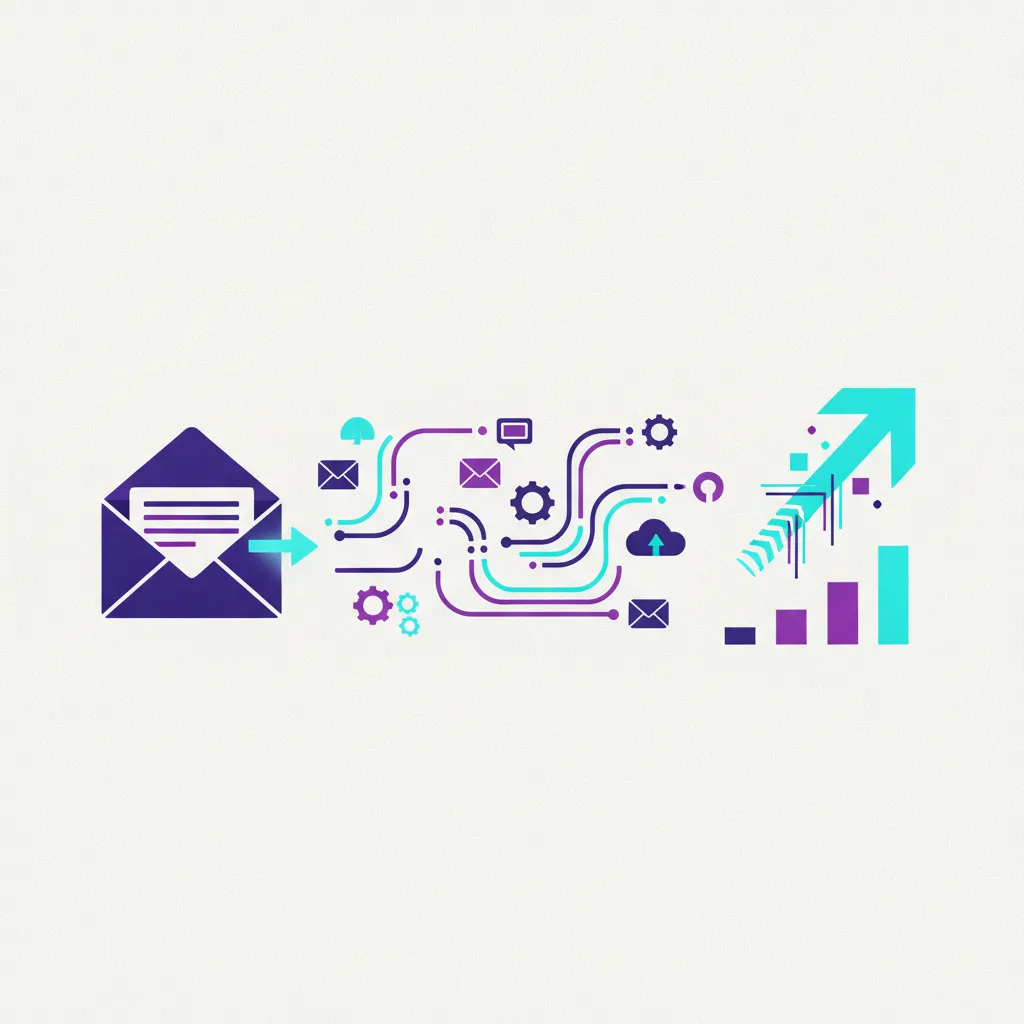
The old spray-and-pray outbound playbook is officially dead. Five years ago, you could scrape 5,000 email addresses, drop them into a generic template, press send, and watch your calendar fill up. Try that today and spam filters will incinerate your domain reputation before lunch.
Inboxes are heavily guarded. Email service providers get sharper every month. Winning at outbound today isn't just about polishing your copy—it’s an engineering problem, a list hygiene problem, and a conversational human problem.
If you want predictable pipeline without burning your primary domain to the ground, you need an architecture built for bulletproof deliverability. Here is how to build it from scratch.
1. Fix Your Technical Deliverability First
You can write the most compelling offer on the planet, but it means zero if Google dumps it straight into the spam folder. Deliverability isn't a detail you fix later; it's the foundation of everything you do.
Before sending email #1, lock down your technical baseline:
- Dedicated Outreach Domains: Never send cold campaigns from your primary corporate domain (
company.com). Purchase secondary, lookalike domains instead (likegetcompany.comortrycompany.com). If a campaign runs into deliverability issues, your core business email remains completely safe. - DNS Authentication Records: Set up SPF (Sender Policy Framework), DKIM (DomainKeys Identified Mail), and DMARC (Domain-based Message Authentication) for every domain. These act as your digital identity verification—without them, inbox algorithms treat you as suspicious by default.
- Automated Warmup: Fresh domains have zero sender reputation. Spend 2 to 4 weeks warming up new accounts using tools that exchange simulated, peer-to-peer messages to establish positive engagement history.
- Multi-Inbox Sending: Spreading 250 daily emails across 5 to 10 inboxes (sending roughly 30–50 messages per account) yields radically higher inbox placement than blasting 500 emails from a single address.
Managing this setup manually across dozens of accounts turns into an operational bottleneck very quickly. Dedicated infrastructure platforms handle this heavy lifting. Built with native warmup, domain guardrails, and automated rotation rules, NexusCold keeps your sender reputation intact without requiring hours of manual maintenance every week.
2. Build Hyper-Specific Prospect Lists
Mass outreach gets mass rejections. The highest-converting outbound campaigns don't rely on raw volume—they win on extreme, tailored context.
Ditch the bloated 10,000-person contact lists filtered only by title. Build tighter, high-intent lists using specific operational signals:
- Trigger Events: Target accounts that recently closed a funding round, hired a key executive, or launched a new product line.
- Tech Stack Usage: Reach out to companies using tools that integrate with—or reveal an obvious gap for—your solution.
- Verified Email Data: Always pass your lead lists through a verification engine before loading them into your campaign. Keep your bounce rate strictly under 2% to safeguard your sending reputation.
A surgical list of 200 verified, highly relevant decision-makers will consistently beat 5,000 scraped, generic contacts every single time.
3. Write Copy That Reads Like a One-on-One Conversation
Prospects spot mass mail merges instantly. If you want real replies, write messages that look like a quick note typed out on your phone between meetings.
Subject: quick question re: [Pain Point / Goal]

Hi [First Name],

Noticed that [Company] recently [Trigger Event or Observation].

Usually when that happens, [Role]s run into [Specific Pain Point]. We helped [Similar Company] solve this by [Brief Solution], resulting in [Concrete Metric].

Worth a 5-minute look?

Best,
[Your Name]
Key Elements of Winning Outreach Copy:
- Short Subject Lines: Stick to lowercase, conversational phrases under 5 words. Skip salesy trigger words like "Free," "Guarantee," or "Discount."
- Low-Friction Ask: Avoid asking strangers for 30-minute calendar slots off the bat. Ask if the problem is on their radar or if they're open to seeing a quick preview ("Open to taking a look?").
- Concrete Business Value: Focus on tangible outcomes, not an exhaustive feature list of what your platform does.
4. Choose the Right Infrastructure for Scale
As your outreach volume grows, traditional SaaS pricing becomes a heavy burden on margins. Most outbound platforms charge per seat or per connected inbox, making it unnecessarily expensive to run 20, 50, or 100 sending accounts.
When evaluating your tech stack, look at the underlying economic model:
| Feature | Standard SaaS Tools | Self-Hosted / Dedicated Systems |
|---|---|---|
| Pricing Model | Per-inbox, recurring monthly fee | Self-hosted license, flat resource costs |
| Data Control | Data stored on third-party servers | 100% control over lead data and logs |
| Domain Limits | Often restricted by tier | Unlimited domains and inboxes |
| Custom Branding | Vendor branding or expensive add-ons | True white-label capabilities |
For agencies, growth teams, and enterprise outbound ops, a dedicated engine like NexusCold (https://nexuscold.io) changes the math. By pairing multi-inbox sending, automated deliverability enforcement, and unified reply management in a private environment, you can scale sending volume without watching subscription costs climb right alongside your inbox count.
5. Centralize Your Conversations and Follow-ups
Persistence closes deals, but disorganization kills momentum. Over 60% of cold email responses come from follow-up messages—yet tracking conversations across dozens of individual accounts leads to missed pipeline.
To execute smoothly at scale:
- Use 3 to 4 Follow-Ups: Space your touchpoints across a 14-day window. Shift your angle with each message—share a short case study, drop a quick resource, or send a brief breakup note.
- Consolidate with a Unified Inbox: Route incoming replies from every secondary domain into a single dashboard. Your team can jump on warm leads instantly without switching logins or juggling endless browser tabs.
- Tag Responses Immediately: Label incoming replies right away (Interested, Meeting Booked, Not Interested, Unsubscribe) to maintain clean campaign attribution and fast follow-through.
Take Action on Your Cold Email Strategy
Cold outreach isn't about spamming thousands of prospects—it’s about landing tailored, highly relevant messages in front of the right buyers through infrastructure built to guarantee delivery.
When you configure secondary domains correctly, warm accounts systematically, keep lists tightly targeted, and write like an actual human, cold email turns into a predictable engine for revenue growth.
If you are ready to take full control of your outbound tech stack with native warmup, multi-inbox rotation, and zero per-inbox fees, check out NexusCold and launch your next high-deliverability campaign today.