← Blog · August 11, 2026
Direct Email vs. Spam: Key Differences Explained
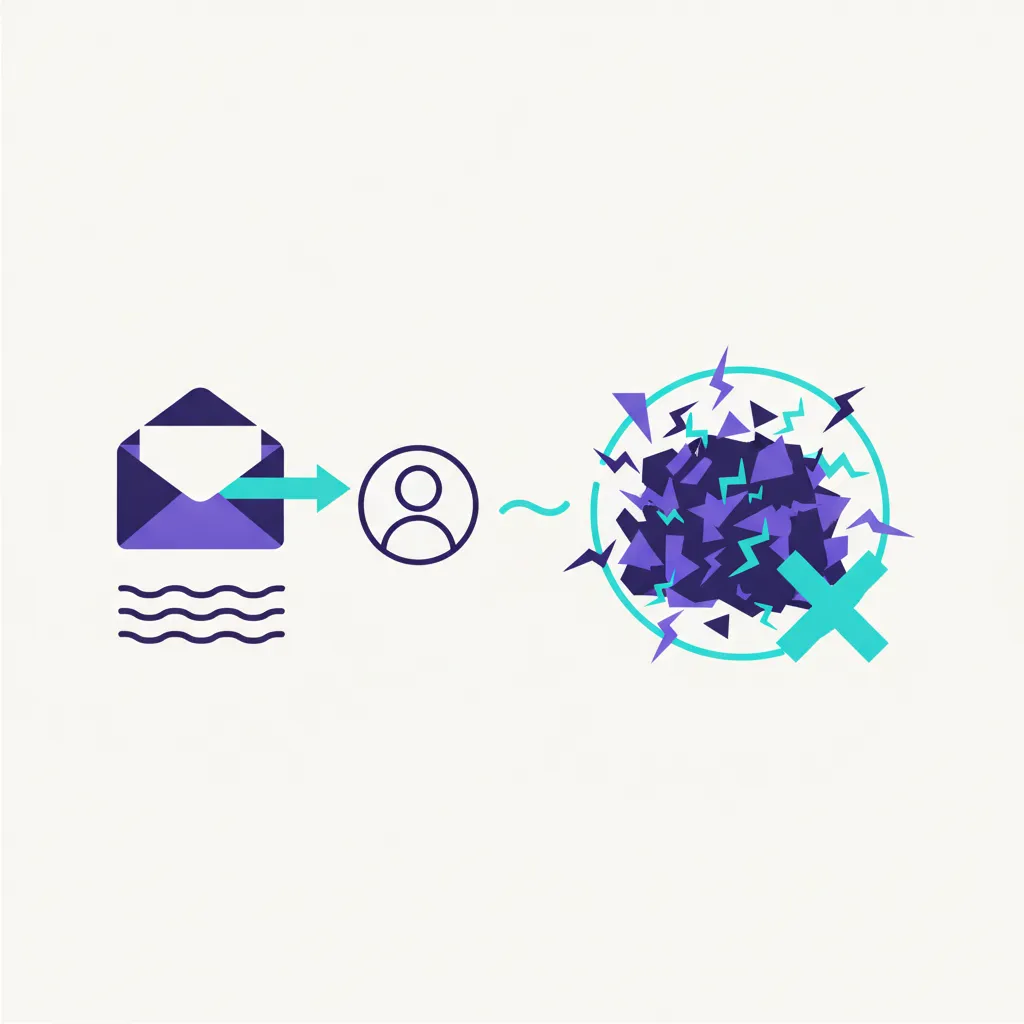
Billions of emails get sent every single day. Almost all of it is digital trash. The tiny sliver left? Actual business offers, solid partnership pitches, and revenue-generating conversations. If you handle growth, run sales, or built a company from scratch, you already know the nightmare scenario: misstep on direct cold email, get tagged as spam, and watch your domain reputation tank overnight. Deliverability dies. Your domain goes dark.
Knowing where targeted outreach stops and spam begins isn't just about playing nice with regulators. It's about keeping your domain alive so your messages land where decisions actually get made.
Defining the Core Shift: Direct Emailing vs. Unsolicited Spam
Forget the marketing jargon for a second. The gap between legitimate direct mail and spam comes down to three things: who you're targeting, why you're emailing them, and how you send it.
Direct emailing—properly executed cold outreach—is surgical. You pinpoint specific individuals, figure out why your offer matters to their exact role, and send a tight, contextual message. You have a clear reason to reach out, and the value proposition makes operational sense.
Spam is a spray-and-pray numbers game. As defined by security authority Spamhaus, spam is Unsolicited Bulk Email (UBE). Translation: zero consent meets massive, untargeted volume. It’s the digital equivalent of dropping cheap flyers onto every windshield in a parking lot, regardless of who owns the car.
Here is how they actually contrast in practice:
- Audience Selection: Direct outreach uses vetted lists of specific decision-makers. Spam relies on dirty, scraped lists jammed with thousands of unverified addresses.
- Personalization: Direct email builds on context—role, tech stack, concrete operational pain points. Spam uses generic templates designed for everyone, which means they resonate with no one.
- Sending Volume: Direct email spreads low daily limits across multiple inboxes. Spam blasts absurd volumes through single channels until the domain burns to the ground.
- Value Exchange: Direct email starts a 1-to-1 professional conversation to solve a real problem. Spam relies on tricks, fake urgency, or fast cash grabs.
Consent, Relevance, and Intent: The Three Pillars
Want to audit an outreach campaign on the fly? Run it through these three checks.
1. The Context of Consent
B2B outreach runs heavily on "implied consent" or "legitimate interest." You don't need a prior relationship with a prospect, but your pitch must directly connect to what they do for a living. Spam ignores this completely. If an inbox is active, it shoots.
2. Message Relevance
A fintech founder reaching out to a CFO to cut month-end reconciliation time by three days? That’s direct email—the match makes sense. That same founder sending that exact copy to an auto mechanic, a real estate agent, and a high school principal? That’s spam. Context turns an uninvited message into a useful lead.
3. Clear Intent and Identity
Legitimate senders use real names, authentic business domains, standard header data, and real physical locations. Spammers hide behind disposable domains, fake "Re:" or "Fwd:" lines, and proxy networks designed to dodge basic security filters.
Technical Deliverability: How Mail Servers Tell the Difference
Google, Microsoft, and Yahoo aren't grading your copywriting skills to see if you're persuasive. They judge your underlying infrastructure, sending cadence, and technical DNS records.
Domain Authentication Protocols
If you want primary inbox placement, your domain has to prove it actually owns the right to send that message. Receiving mail servers look for three core records:
- SPF (Sender Policy Framework): Lists which mail servers are authorized to send email on behalf of your domain.
- DKIM (DomainKeys Identified Mail): Attaches a cryptographic key to every email, proving the content wasn't altered in transit.
- DMARC (Domain-based Message Authentication, Reporting, and Conformance): Tells receiving servers what to do if an email fails SPF or DKIM checks.
Missing or misconfigured records tell receiver algorithms one clear thing: this sender looks like a scammer.
Sender Reputation and Sending Velocity
Mail servers track velocity and recipient reactions like a hawk. Spammers buy a throwaway domain, blast 50,000 emails over four hours, and abandon it once it hits every major blacklist.
Serious cold emailers protect domain health like an asset. They warm up new inboxes slowly, keep daily sends low (typically 30 to 50 emails daily per address), and pad sends with natural delays.
Setting up this infrastructure manually—or paying astronomical per-seat prices on legacy platforms—gets messy fast. Self-hosted options like NexusCold take away that operational headache by offering direct, white-label cold email management. NexusCold handles deliverability enforcement, rotates sending inboxes on the fly, and automates mailbox warmup so your sender score stays healthy without racking up bloated monthly SaaS bills.
Legal Frameworks: CAN-SPAM, GDPR, and Compliance Rules
Staying off spam lists isn't just best practice; it's what keeps legal teams off your back across different jurisdictions.
       DIRECT EMAIL COMPLIANCE CHECKLIST
 ┌─────────────────────────────────────────────┐
 │ [x] Honest, non-misleading header & subject │
 │ [x] Physical business address included      │
 │ [x] Clear, friction-free opt-out mechanism  │
 │ [x] Targeted B2B scope (legitimate interest)│
 └─────────────────────────────────────────────┘
Different regions govern commercial email under clear statutory rules:
The CAN-SPAM Act (United States)
Contrary to popular belief, US federal law doesn't ban cold emailing. It regulates it. Per the FTC's CAN-SPAM Act Compliance Guide, compliant outreach must stick to concrete operational rules:
- Never use deceptive header, domain, or routing details.
- Keep subject lines aligned with the message body.
- Include a valid physical postal address in every send.
- Give recipients a straightforward way to opt out.
- Process opt-outs quickly (within 10 business days max).
GDPR (European Union)
Europe sets a much higher bar. Under GDPR, you need a lawful basis to process personal data. For B2B cold email, this usually boils down to "Legitimate Interest." To pass muster, your email must target individuals in their professional role, stay directly relevant to their work, and offer an effortless way to decline further messages.
How to Execute Compliant Direct Outreach Without Getting Flagged
If cold outreach drives your pipeline, staying out of the spam folder requires a strict system. Here is how to keep deliverability rock-solid:
1. Run Aggressive List Hygiene
Never buy pre-packaged mass email lists off cheap database vendors. Source targeted contacts, then run every lead list through an active email verification service before launching your sequence. Keep your hard bounce rate strictly below 2%.
2. Distribute Volume Across Inboxes
Pushing 1,000 cold emails a day out of a single inbox is deliverability suicide. Split your volume across a cluster of dedicated domains and secondary outreach inboxes.
Instead of paying extra per-seat fees every time your inbox network grows, setups like NexusCold let you scale multiple sending accounts under one platform. Its unified inbox pulls incoming replies into a single dashboard, so you can handle leads fast without hopping between dozens of logins or missing hot conversations.
3. Write Like a Human Being
Ditch spam-trigger phrases like "100% Free," "Earn Cash," or "Risk-Free." Drop aggressive ALL CAPS and exclamation point abuse. Write simple, plain-text emails with clean formatting—the exact type of message you'd type out manually to a colleague.
4. Watch Deliverability Metrics Daily
Track open rates, reply rates, and spam complaints closely. A sudden drop in open rates usually means your emails hit a spam trap or your sending domain got throttled by an ISP.
Respect the Inbox to Protect Your Outreach
The difference between a solid cold email and junk spam isn't whether the recipient knows you yet—it comes down to respect, technical precision, and relevance. Direct email offers useful solutions to specific people who can actually benefit from them. Spam is a lazy numbers game that burns through domains and trashes brand equity.
Authenticate your domains, clean your list data relentlessly, and cap your daily sending limits. That's how you stay in the primary inbox and build a predictable pipeline.
Want to scale your cold email infrastructure without getting crippled by monthly per-seat software costs? See how NexusCold gives you complete control over multi-inbox rotation, deliverability, and campaign workflows today.